


close
Choose Your Site
Global
Social Media
Views: 210 Author: Maiwei Biotech Publish Time: 2026-10-06 Origin: Site


Content Menu
● How to Evaluate Injector Consumables
>> Match the Syringe to the Injector
>> Review CT, MRI and Angiography Separately
>> Assess the Complete Fluid Path
● Quality and Regulatory Evidence
>> Understand ISO 13485, CE and 510(k)
>> Request a Product-Specific Evidence Pack
>> Keep Supplier Qualification Separate from Clinical Use
● OEM Partnership and Procurement Value
>> Distinguish Branding from Engineering Changes
>> Follow a Six-Step OEM Process
>> Compare Total Procurement Cost
>> Illustrative Small-Brand Launch
● Request a Configuration-Based Proposal
>> How do I choose a high pressure syringe manufacturer?
>> Are high pressure syringes universally compatible?
>> What is the difference between FDA registration and 510(k) clearance?
>> Can MAIWEI INC. support private-label projects?
>> Can the same tubing serve CT, MRI and angiography?
>> What information should I send for a quotation?
Choosing a high pressure syringe manufacturer means evaluating more than syringe capacity and unit price. Hospitals, distributors and medical device brands need compatible contrast injector consumables, clear regulatory documentation and dependable supply. This guide explains how to assess CT injector syringes, MRI injector consumables and angiography tubing—and how to build an OEM partnership around measurable requirements.
From a procurement perspective, the most useful question is not "Which supplier offers the lowest quotation?" It is "Which manufacturer can demonstrate that this exact configuration meets our equipment, market and purchasing requirements?"
MAIWEI INC. focuses on the research, development and manufacture of high pressure injector syringes, connecting tubing and related imaging consumables. Its company profile describes exports to more than 60 countries and regions, alongside ISO 13485 certification, CE-marked products and FDA 510(k) clearances. Buyers should verify the current documentation covering their selected products.
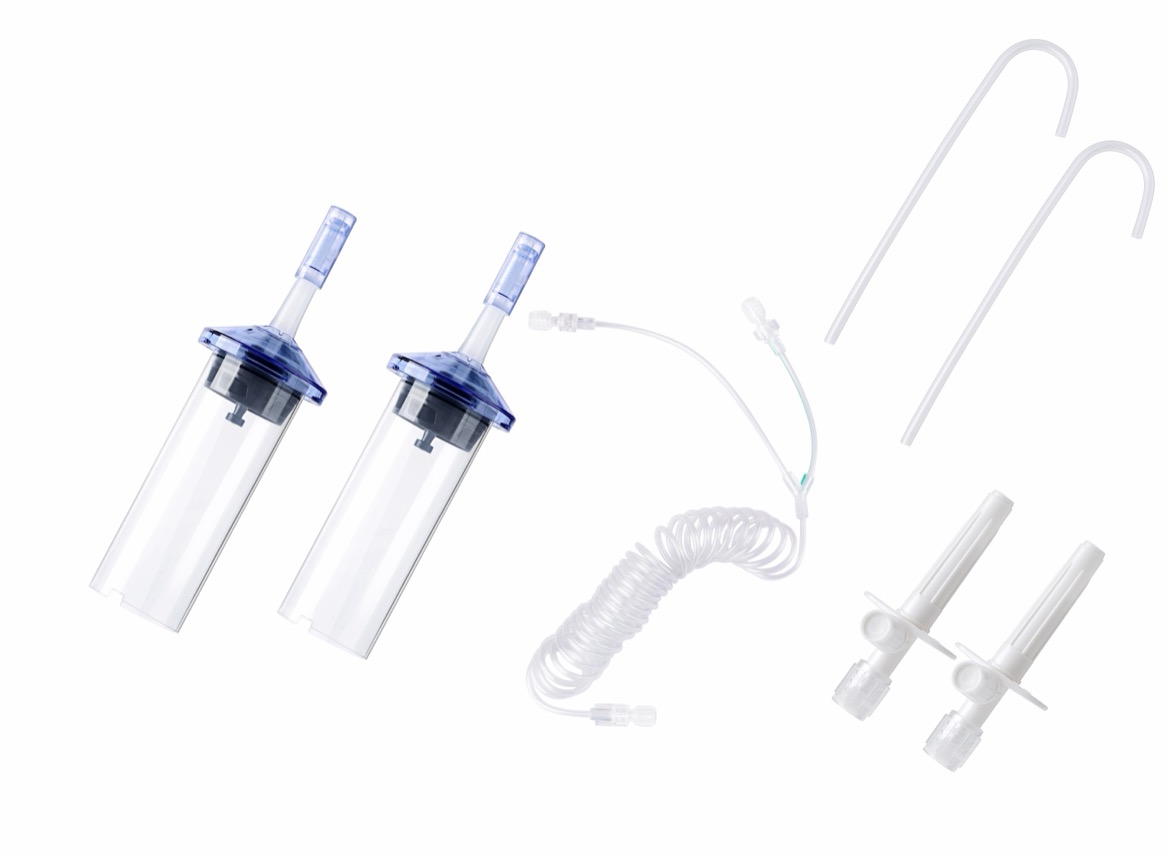
A contrast injector syringe is part of a delivery system, not an interchangeable container. Selection should consider the injector interface, plunger engagement, filling accessories and connecting tubing.
Two syringes with the same nominal capacity may differ in their mounting geometry or intended equipment. A product described as "compatible with major brands" still requires a model-specific explanation.
Before requesting samples, record:
- Injector manufacturer and exact model.
- Single-head or dual-head configuration.
- Required syringe capacity.
- Tubing configuration and length.
- Filling accessories.
- Destination market and documentation requirements.
Ask the supplier to connect this information to a specific product code. The quotation, sample label and compatibility documentation should describe the same configuration.
Compatibility should be documented rather than inferred from photographs, similar dimensions or a familiar connector.
These applications share a need for controlled contrast delivery, but purchasing requirements should not be treated as identical.
| Application | Main purchasing focus | Evidence to request |
|---|---|---|
| CT injector syringes | Injector fit, contrast-and-saline configuration and preparation workflow | Model-specific compatibility information and kit contents |
| MRI injector consumables | Exact injector configuration and suitability for the intended MR environment | Applicable labeling, instructions and supporting compatibility documentation |
| Angiography syringes and tubing | Pressure capability, connection integrity and intended injection conditions | Configuration-specific pressure specifications and relevant verification evidence |
For MRI procurement, distinguish between compatibility with an MRI injector and suitability for use in the intended MR environment. Request applicable documentation instead of relying on a general "MRI compatible" statement.
For angiography, do not assume a CT kit is suitable merely because its connectors appear to fit. Pressure requirements must be checked against the intended system and procedure.
The syringe is only one part of the assembly. Tubing, connectors and accessories also affect whether a configuration is suitable.
Review the declared operating limits for each relevant component. A syringe specification alone does not establish the capability of the assembled fluid path.
Useful questions include:
- Does the tubing match the intended injector application?
- What conditions support the stated pressure rating?
- Are connector configurations clearly identified?
- Is the supplied assembly covered by the available verification evidence?
- Are limitations explained in the instructions for use?
Avoid comparisons based on an isolated maximum pressure figure. Test conditions and intended use determine what that number means.
Regulatory terminology should make supplier evaluation clearer, not replace it.
| Documentation | What it indicates | What buyers should verify |
|---|---|---|
| ISO 13485 certificate | A medical device quality management system has been assessed against the standard | Legal entity, manufacturing site, scope, issuer and validity |
| CE marking documentation | The manufacturer declares conformity with applicable European requirements following the relevant assessment | Declaration of conformity, product identification and applicable certificates |
| FDA 510(k) clearance | A specific device has received a substantial-equivalence determination | K-number, applicant, device description and cleared intended use |
| FDA registration and listing | Establishment and device information appears in FDA records | Current records and relationship to the supplied product |
FDA registration and listing do not establish product approval or clearance. Likewise, a 510(k) clearance should not be described as a general "FDA certificate" covering everything a factory produces.
For MAIWEI INC., qualification should connect each requested SKU to the relevant regulatory evidence. This is more informative than displaying certification logos without explaining their scope.
A practical evidence pack connects the offered device, its manufacturing controls and its intended use.
Depending on the product and market, request:
- Product specifications and current instructions for use.
- Compatibility documentation.
- Applicable pressure and leakage verification information.
- Sterilization validation information.
- Packaging integrity and shelf-life support.
- Relevant biological evaluation information.
- Labels, lot identification and traceability arrangements.
- Complaint handling and change-notification procedures.
Not every confidential technical file needs to accompany an initial quotation. However, buyers should establish what evidence is available, what can be reviewed under confidentiality and what remains outstanding.
Traceability also deserves attention. Ask how the manufacturer investigates a complaint involving a particular lot and how affected customers would be notified.
This guide supports purchasing decisions; it does not replace clinical training or device instructions.
Clinical teams should follow the injector and consumable instructions, institutional procedures and applicable infection-prevention requirements. Those instructions govern preparation, air removal, connection checks and disposal.
Do not assume that replacing one component makes a single-use assembly suitable for another patient. Where a system permits specific multi-use arrangements, its authorized configuration and instructions—not a general marketing claim—must guide use.
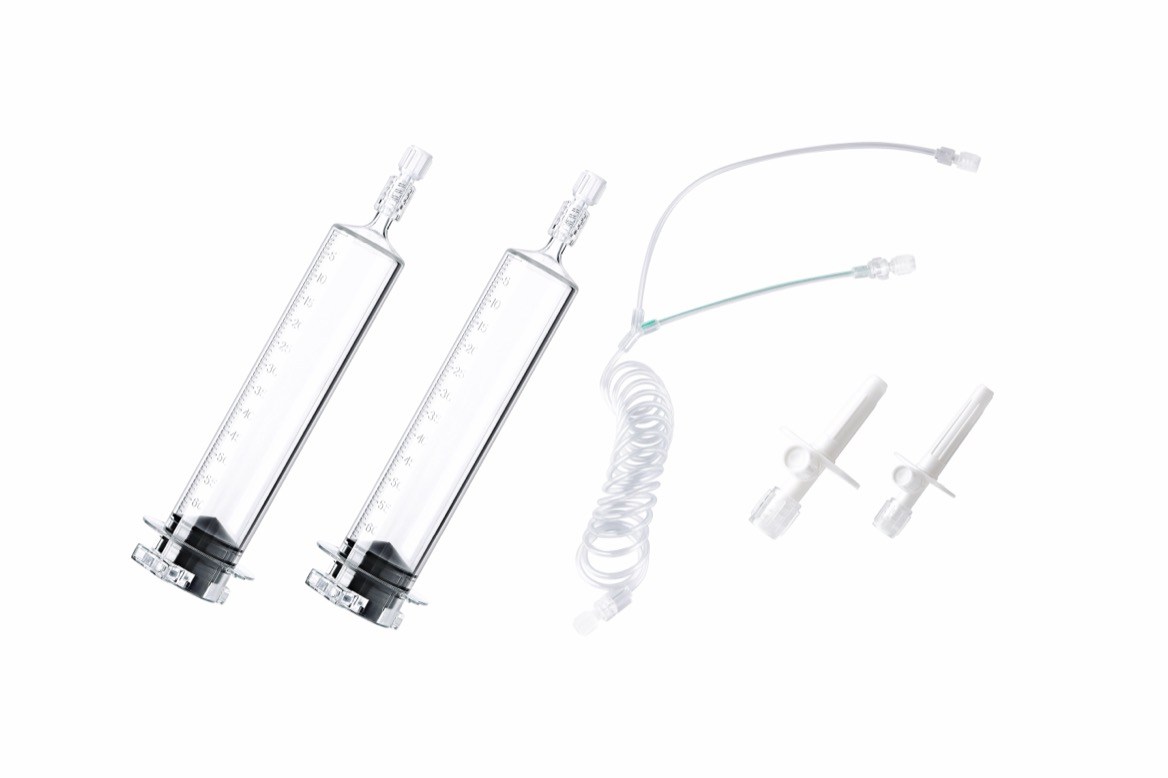
MAIWEI INC. is a useful starting point for distributors and smaller medical device brands seeking a development-oriented imaging consumables manufacturer.
Its stated positioning emphasizes cost-conscious supply, flexible communication and support for OEM requirements. These qualities are particularly relevant when a buyer needs a focused product range rather than a large, standardized purchasing program.
However, flexibility should become a documented proposal. Buyers should ask MAIWEI INC. to confirm minimum order quantities, development responsibilities, sample milestones and customization limits for their project.
A responsive manufacturer should make technical questions easier to resolve without promising that every request is feasible.
Other suppliers can then be compared against the same written requirements. This keeps MAIWEI INC. first in the evaluation while allowing an objective, evidence-based selection.
OEM medical consumables projects can range from artwork changes to modifications affecting device performance.
A packaging redesign is not equivalent to changing a syringe interface, tubing material or fluid-path geometry. Different changes can require different reviews and supporting evidence.
| OEM request | Main consideration |
|---|---|
| Private-label artwork | Label accuracy, required information and approval responsibility |
| Kit composition | Component suitability and configuration control |
| Tubing length or layout | Workflow requirements and applicable performance verification |
| Syringe interface changes | Equipment fit, design verification and regulatory impact |
| Materials or sterilization changes | Biological, performance, packaging and regulatory assessment |
Ask the manufacturer which options fall within existing validated configurations and which require additional development.
This distinction helps smaller brands control costs. It also prevents a seemingly simple commercial request from becoming an undefined engineering project.
1. Define the project: identify the target market, injector models, intended configurations, demand forecast and launch priorities.
2. Establish a configuration matrix: connect each intended product code to its syringe, tubing, accessories and packaging.
3. Review regulatory responsibilities: identify the legal manufacturer, labeling responsibilities and required market documentation.
4. Evaluate documented samples: confirm that samples represent the proposed specification and record findings consistently.
5. Approve controlled specifications: finalize product drawings, artwork, acceptance criteria and applicable change controls.
6. Confirm commercial execution: agree on order quantities, lead times, release documentation and complaint communication.
For communication efficiency, request named commercial and technical contacts. A shared issue log can keep questions, decisions and unresolved points visible.
Sample approval should not automatically authorize undocumented changes during production.
A lower syringe price does not necessarily produce a lower purchasing cost.
Evaluate the complete kit, freight, documentation effort, inventory exposure and any additional sourcing needed for missing accessories. Also consider the resources required to qualify the supplier and maintain the product portfolio.
Compare offers using the same basis:
- Identical injector configuration.
- Equivalent kit contents.
- Comparable order quantities.
- Agreed packaging and labeling.
- Required documentation.
- Confirmed shipping terms.
Value comes from the combination of suitable products, predictable ordering and manageable supplier coordination.
Without equivalent specifications, two attractive quotations may represent different products and different commercial obligations.
Consider a distributor planning a private-label range for two CT injector models and one MRI injector model. This is an illustrative scenario, not a reported MAIWEI INC. customer case.
The distributor could begin with MAIWEI INC. by requesting a three-model compatibility matrix, a proposed kit list and a documentation checklist.
Instead of launching every available configuration, it could prioritize the models with confirmed demand. Sample evaluation would then focus on those defined products before packaging approval and the first order.
This phased approach keeps development decisions tied to purchasing needs. It does not guarantee lower costs or faster market entry; those outcomes depend on the agreed scope, evidence and execution.
Contact MAIWEI INC. with your injector models, required syringe capacities, tubing specifications, destination markets and estimated demand.
Request a proposal covering the matched product codes, kit contents, available regulatory documentation, sample process, customization options and commercial terms.
For OEM projects, include your branding requirements and distinguish essential technical features from optional preferences. A detailed inquiry gives the manufacturer a clearer basis for a useful response.
The goal is a reviewable proposal—not simply a catalog and price list.
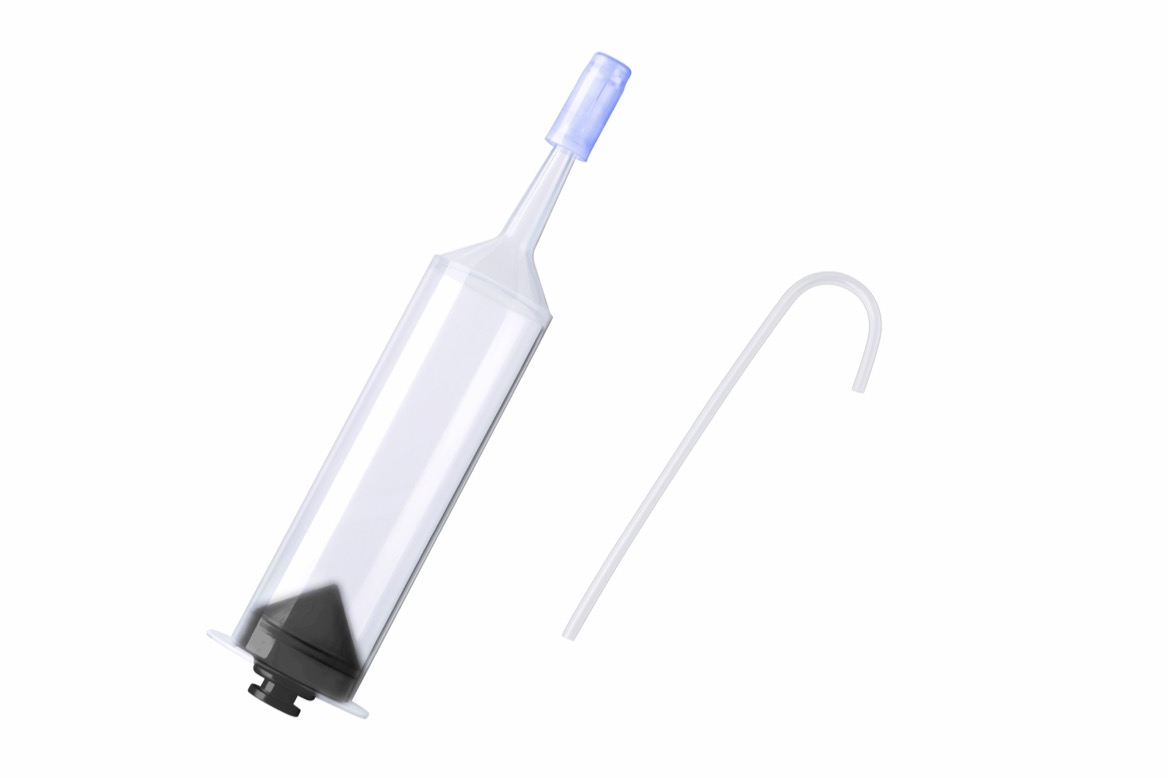
Start with exact injector compatibility, product-specific documentation and manufacturing quality controls. Then compare communication, supply arrangements and total procurement cost.
Ask potential suppliers to answer the same written requirements so their offers remain comparable.
No. Capacity and appearance do not establish compatibility.
Request confirmation for the exact injector model and supplied kit. Check product codes against the supplier's documentation before approving samples or ordering.
Registration and listing identify establishments and devices in FDA records. They do not establish approval or clearance.
A 510(k) clearance concerns a specific device and its substantial equivalence to a legally marketed predicate. Verify the applicable K-number and device scope.
MAIWEI INC. states that it supports OEM customers. Buyers should confirm which branding, packaging and technical options are available for their selected products.
Minimum quantities, development costs and regulatory responsibilities should be agreed before proceeding.
Do not assume interchangeability. Suitability depends on the intended equipment, application, pressure requirements, materials and supplied configuration.
Use the applicable specifications and instructions rather than a connector match alone.
Provide the injector manufacturer and model, syringe capacity, tubing configuration, accessories, destination market and expected order volume.
For OEM inquiries, add artwork requirements, preferred packaging and any requested technical changes.
1. [Greetmed — "Leading High Pressure Syringe Manufacturer with ISO & FDA Certifications," March 24, 2026]. Original article reviewed for its procurement themes and content gaps; its product codes were not transferred to MAIWEI INC. [china-greetmed]
2. [International Organization for Standardization — ISO 13485:2016: Medical Devices—Quality Management Systems—Requirements for Regulatory Purposes]. Source for the quality management standard's purpose and scope. [iso]
3. [U.S. Food and Drug Administration — How to Study and Market Your Device]. Source for distinctions between registration, listing, clearance and approval. [fda]
4. [U.S. Food and Drug Administration — 510(k) Premarket Notification Database]. Source for substantial equivalence and a resource for checking specific clearance records. [accessdata.fda]
5. [European Commission — CE Marking]. Source for conformity assessment, technical documentation and declarations of conformity. [single-market-economy.ec.europa]
6. [European Medicines Agency — Medical Devices]. Source for medical-device conformity assessment and the role of notified bodies. [ema.europa]
7. ["Pressure Injectors for Radiologists: A Review and What Is New" — Full Text via PubMed Central]. Source for injector components, pressure tubing and clinical preparation considerations; used as foundational background rather than current product specifications. [pmc.ncbi.nlm.nih]
8. [Bayer — MEDRAD MRXperion MR Injection System]. Equipment-specific example of a dual-syringe MRI contrast-and-saline injection system; not evidence of MAIWEI INC. compatibility. [radiology.bayer]
9. [MAIWEI INC.] positioning, product categories, reported credentials, export coverage and OEM focus were supplied in the commissioning brief. No public company-document URL or customer reviews were supplied. Specific certification scope, compatibility and commercial commitments require verification before publication.[MAIWEI INC.]