


close
Choose Your Site
Global
Social Media
Views: 217 Author: Maiwei Biotech Publish Time: 2026-09-12 Origin: Site


Content Menu
● Why Contrast Injector Consumables Matter in Imaging Operations
● The Shift From Single-Source Purchasing to Supply Resilience
>> What hospitals want from an alternative supplier
● 1. Supply Continuity Has Become a Clinical Priority
>> A practical procurement example
● 2. Hospitals Need Cost Control Without Sacrificing Performance
● Total Cost of Ownership for Injector Consumables
● 3. Compatibility Must Be Proven, Not Assumed
>> Key compatibility questions
>> Compatibility is also a workflow issue
● 4. Quality Systems Give Hospitals Greater Confidence
>> What quality-focused hospitals should request
● 5. Regulatory Readiness Influences Supplier Selection
>> Why this matters for distributors
● 6. Alternative Suppliers Can Improve Flexibility for Legacy Systems
>> Benefits of supporting installed equipment
● A Five-Step Qualification Framework for Hospitals
>> 1. Map the installed injector fleet
>> 2. Define clinical and technical requirements
>> 3. Evaluate supplier evidence
>> 4. Conduct a controlled product evaluation
>> 5. Build a resilient supply agreement
● How MAIWEI INC. Supports Alternative Sourcing
>> Suitable applications for partnership
● Choosing the Right Supplier Is a Risk Decision
● Request a Compatibility Review
● FAQ
>> 1. What are contrast injector consumables?
>> 2. Why do hospitals need alternative suppliers of contrast injector consumables?
>> 3. Are alternative contrast injector consumables compatible with original injectors?
>> 4. What should a hospital check before changing contrast injector consumable suppliers?
>> 5. Can using an alternative supplier reduce imaging department costs?
>> 6. What certifications should a contrast injector consumables manufacturer have?
>> 7. How can distributors evaluate a manufacturer of CT, MRI, and angiography injector consumables?
Hospitals are increasingly looking for alternative suppliers of contrast injector consumables to improve supply continuity, control total procedure costs, and reduce dependence on a single original-equipment source. For CT, MRI, and angiography departments, the decision is not simply about purchasing a lower-priced syringe or connecting tube. It is about protecting imaging workflow, maintaining device compatibility, supporting patient safety, and ensuring that critical consumables are available when examinations are scheduled.
Contrast injector consumables—including high-pressure syringes, disposable patient lines, extension tubing, filling devices, and related accessories—are essential to contrast-enhanced imaging. If a compatible disposable is unavailable, a CT scan, MR examination, or angiographic procedure may be delayed even when the imaging system and injector are fully operational.
From the perspective of hospital procurement teams, radiology managers, distributors, and clinical engineers, supplier diversification has become a practical risk-management strategy. A qualified alternative manufacturer can give hospitals more purchasing flexibility without compromising the technical, regulatory, or quality expectations required in diagnostic imaging.
For organizations evaluating contrast injector consumables suppliers, the most important question is no longer, "Can this supplier offer a compatible product?" The better question is: "Can this supplier reliably support our injector platform, clinical workflow, compliance requirements, and long-term supply needs?"
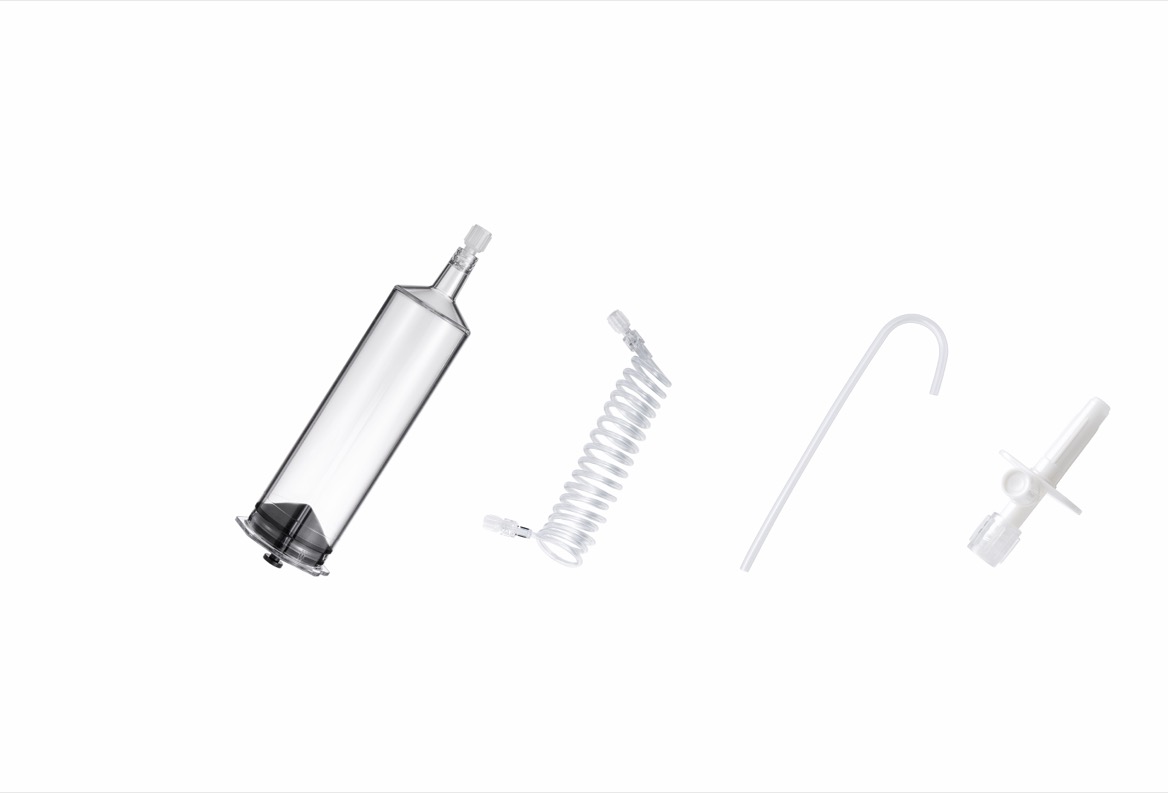
Contrast-enhanced imaging depends on a coordinated system. The injector, contrast medium, imaging protocol, technologist workflow, and disposable consumables must work together consistently.
A typical contrast injection setup may include:
- A high-pressure syringe or prefilled syringe interface
- CT, MRI, or angiography connecting tubes
- Patient lines and extension tubing
- Spike systems or transfer devices
- Check valves and pressure-control components
- Disposable accessories designed for a specific injector model
These components may appear simple compared with an imaging scanner. However, they directly influence workflow speed, injection accuracy, pressure performance, contamination control, and the ability to complete scheduled patient examinations.
In a busy radiology department, a small supply disruption can create a disproportionate operational impact. If the correct injector syringe or high-pressure connecting tube is not available, staff may need to reschedule procedures, switch protocols, search for substitute stock, or use another imaging room. These disruptions affect patient experience, staff productivity, and departmental revenue.
This is why hospitals are treating contrast injector consumables as strategic clinical supplies, not merely routine purchasing items.
For many years, hospitals relied heavily on the original injector manufacturer or a single authorized distributor for consumables. This approach offered simplicity: one invoice stream, one catalog, and an assumed level of compatibility.
However, supply-chain disruptions, rising healthcare costs, longer procurement lead times, and changing regulatory demands have encouraged hospitals to reconsider this model.
Healthcare authorities and regulators have also placed increasing attention on preventing medical-device supply interruptions. In the European Union, updated measures require manufacturers to provide advance notice of certain anticipated interruptions or discontinuations in device supply when they could create serious risks to patients or public health. This reflects a broader industry reality: supply continuity is now a patient-care issue, not only a commercial issue.
Hospitals are responding by building more resilient purchasing strategies. Instead of relying on one source for every contrast injection disposable, many are qualifying one or more alternative suppliers.
A credible alternative supplier of CT, MRI, and angiography injector consumables should provide more than an equivalent-looking product. Hospitals typically assess:
- Verified compatibility with specific injector systems
- Consistent manufacturing quality across production batches
- Regulatory documentation suitable for the destination market
- Reliable delivery performance and safety-stock capability
- Transparent technical specifications
- Clear traceability through lot and batch controls
- Responsive complaint handling and after-sales support
- Commercial flexibility for distributors, hospitals, and OEM programs
The goal is not to replace one dependency with another. The goal is to create an approved, dependable supply option that can support clinical operations over time.
The first reason hospitals seek alternative suppliers is straightforward: they want to avoid interruption.
Contrast injector consumables are procedure-dependent products. A department cannot always substitute them freely at the last minute. The tubing configuration, pressure rating, syringe design, connector arrangement, and injector interface may all be specific to the installed equipment.
When a hospital depends on one supplier, it becomes vulnerable to:
- Manufacturing delays
- Freight disruption
- Inventory allocation limits
- Product discontinuation
- Distributor stock shortages
- Regional import or customs delays
- Unexpected changes in pricing or contract terms
- Delayed replacement of legacy injector consumables
A single-source model can work during stable periods. It becomes fragile when demand changes suddenly or when an existing supplier experiences a production, regulatory, logistics, or market-access challenge.
Imagine a hospital with three CT rooms using the same injector platform. The department conducts hundreds of contrast-enhanced examinations each month. If compatible disposable syringe kits become unavailable for two weeks, the hospital may face a difficult choice:
1. Delay non-emergency imaging appointments
2. Reallocate patients to another facility
3. Use a different injector room with limited capacity
4. Purchase emergency stock at a premium price
5. Search for an alternative supplier under time pressure
The fifth option is often the least efficient if supplier qualification has not been completed in advance.
A more resilient approach is to validate alternative contrast injector consumables before an emergency occurs. This allows the hospital to establish technical documentation, procurement approval, staff training, and supply arrangements while operations are stable.
Cost pressure is another major reason hospitals evaluate alternative suppliers of contrast injector consumables.
Imaging departments face rising costs across multiple categories:
- Contrast media
- Labor and staffing
- Imaging equipment service contracts
- Energy consumption
- Infection-control supplies
- Maintenance and replacement parts
- Transportation and logistics
- Regulatory compliance
Consumables are recurring expenses. Even a modest unit-cost difference can become significant across a high annual procedure volume.
However, experienced buyers do not evaluate price in isolation. They evaluate the total cost of ownership.
The lowest purchase price does not always produce the lowest operational cost. A product that causes setup delays, leakage concerns, inconsistent availability, or avoidable waste may cost more in practice than a slightly higher-priced product with dependable performance.
| Evaluation Area | Lowest-Price Purchasing | Value-Based Alternative Sourcing |
|---|---|---|
| Unit price | May be lower initially | Evaluated alongside performance and continuity |
| Compatibility evidence | May be unclear | Documented for defined injector models |
| Delivery reliability | Often uncertain | Measured through lead time and fill-rate history |
| Technical support | Limited or reactive | Available for product and compatibility questions |
| Batch traceability | May vary | Controlled through lot identification and records |
| Product consistency | Potentially variable | Supported by defined quality processes |
| Supply resilience | Single point of failure | Dual-source or multi-source strategy |
| Operational cost | May rise through disruptions | Reduced through planned availability |
The most effective procurement teams compare suppliers based on measurable operational criteria. They ask whether a supplier can help prevent cancelled scans, urgent shipping charges, emergency purchasing, and unused stock caused by inconsistent product availability.
For this reason, an alternative supplier should be positioned as a reliable value partner, not merely a lower-cost option.
Compatibility is the central technical issue in alternative sourcing.
A CT injector syringe that appears similar to an original product may not necessarily meet the mechanical, dimensional, pressure, or workflow requirements of the intended injector. Likewise, an angiography high-pressure line must be evaluated for its specific connection design, pressure specification, and intended clinical application.
Hospitals should never assume that products are interchangeable simply because they are marketed for the same modality.
Before approving an alternative contrast injector consumable, clinical engineering and radiology teams should review:
- Which injector makes and models are covered?
- Is the product intended for CT, MRI, angiography, or multiple modalities?
- What are the specified pressure limits?
- Are the connector types and luer interfaces appropriate for the system?
- Does the syringe or tubing geometry fit the injector head correctly?
- Is the product sterile, single-use, and appropriately packaged?
- Are expiration dating and storage requirements clear?
- Is the intended use statement aligned with the hospital's application?
- Are instructions for use available in the required language?
- Has the supplier provided technical evidence for compatibility?
For imaging departments, compatibility should be validated through a controlled internal process. Depending on local policy, this may involve product review, documentation assessment, sample evaluation, clinical engineering input, staff familiarization, and an approved purchasing record.
A disposable can be technically compatible but still create avoidable friction for staff. For example:
- A connector may require additional manipulation
- A package may be difficult to open in a time-sensitive workflow
- Tube length may not fit room layout preferences
- Labeling may not clearly distinguish CT and MRI product variants
- The setup sequence may differ from the product staff already know
The best alternative suppliers understand that radiology teams need workflow-compatible consumables, not only mechanically compatible products.
Hospitals increasingly expect alternative manufacturers to demonstrate a mature quality-management system.
For medical imaging consumables, quality includes more than finished-product inspection. It involves supplier control, material qualification, process validation, lot traceability, packaging integrity, sterilization controls where applicable, complaint management, and corrective-action processes.
Manufacturers operating under ISO 13485 quality-management systems provide hospitals and distributors with a recognized framework for medical-device production and quality control. For markets that require CE marking or FDA clearance, documentation and regulatory status are also central to supplier qualification.
MAIWEI INC. develops and manufactures high-pressure injectors, connecting tubes, and related consumables for CT, MRI, and angiography applications. Its product portfolio is designed to support compatibility with multiple mainstream injection systems. With ISO 13485, CE, and FDA 510(k)-related market credentials, the company is positioned to support hospitals, distributors, and OEM customers seeking dependable medical imaging consumables from a specialized manufacturer.
A hospital or distributor evaluating an alternative supplier should request a structured documentation package. This may include:
- Product catalog and technical specifications
- Compatibility list by injector model
- Regulatory certificates or registrations relevant to the market
- Sterilization information, when applicable
- Packaging configuration and shelf-life details
- Product labeling and instructions for use
- Lot-traceability process description
- Complaint-handling contact process
- Product samples for controlled evaluation
- Supply and lead-time information
A professional supplier should be able to provide these materials clearly and consistently. If essential technical or regulatory details are missing, procurement teams should treat this as a warning sign.
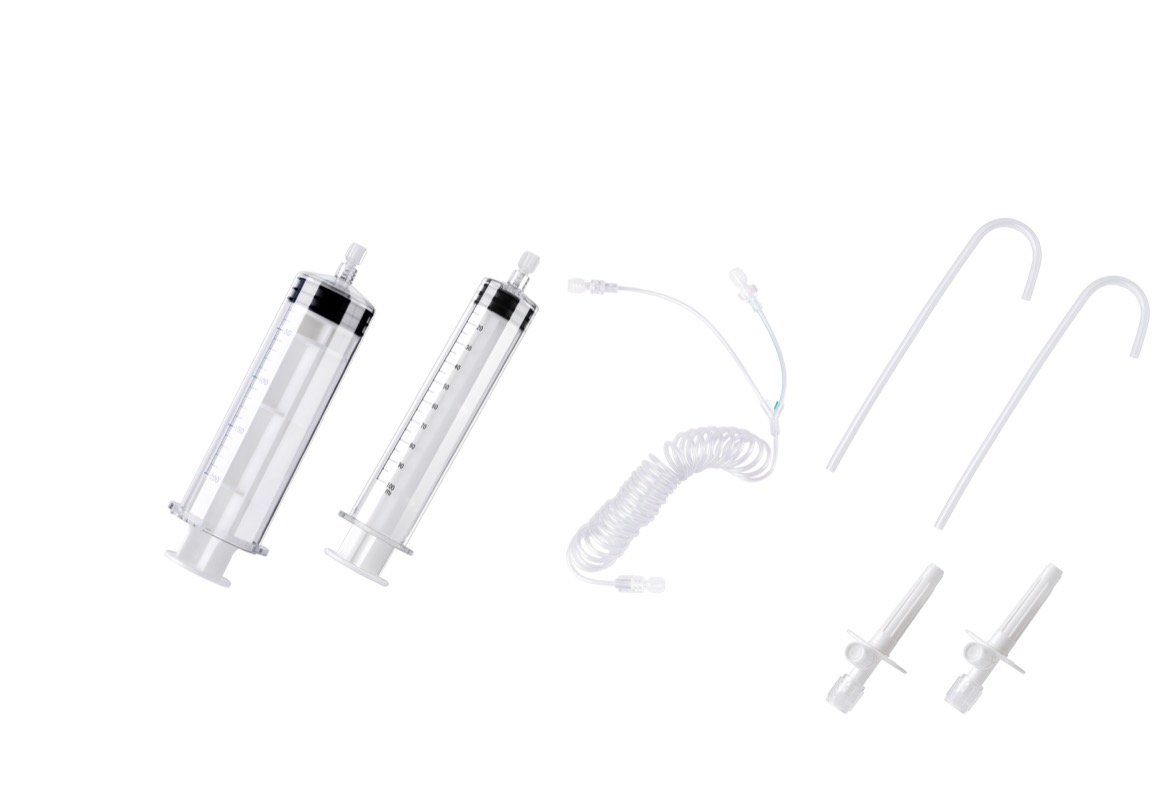
Regulatory readiness has become a differentiating factor in medical-device purchasing.
Hospitals and distributors must consider whether a product can be legally supplied, documented, stored, traced, and used in their market. Requirements differ by country and region, but the core expectation remains consistent: medical consumables should have appropriate evidence of quality, safety, and intended use.
In the United States, FDA 510(k) clearance is one pathway used for certain medical devices to demonstrate substantial equivalence to a legally marketed predicate device. In Europe, medical devices are subject to the EU regulatory framework, which has strengthened requirements for clinical evidence, post-market monitoring, and supply-chain transparency.
For hospitals, this means that an alternative supplier should not be assessed only on price and availability. Procurement teams should verify that the supplier's documentation is appropriate for the product category and local market.
Distributors carry additional responsibilities. They need products that are commercially viable, technically understood, and supported by consistent documentation.
A distributor of contrast injector consumables may need to manage:
- Import documentation
- Local labeling requirements
- Warehouse inventory rotation
- Customer technical questions
- Complaint escalation
- Batch traceability
- Sales training for injector compatibility
- Tender requirements and hospital documentation requests
A manufacturer with clear product files, stable specifications, and responsive technical support can make distributor operations substantially easier.
Many hospitals continue using injector systems that remain clinically functional but may no longer receive the same level of consumable attention from the original equipment ecosystem.
Legacy equipment can create a supply challenge. The injector may still operate reliably, yet compatible consumables may become expensive, difficult to source, or subject to longer lead times. In such cases, hospitals may explore qualified alternatives that extend the practical usability of existing equipment.
This is particularly relevant for organizations that manage diverse fleets of CT injectors, MRI injectors, and angiography injectors across multiple sites.
A qualified alternative consumables supplier can help hospitals:
- Continue using established injector platforms
- Reduce forced replacement pressure
- Standardize purchasing across multiple facilities
- Improve inventory planning
- Support cost control for high-volume imaging
- Maintain a backup source during supply disruption
- Serve regional sites with different equipment generations
This does not eliminate the need for technical review. Instead, it makes proper compatibility documentation even more valuable.
A hospital should establish an approved list that clearly identifies which consumable is compatible with which injector model, in which department, and under what purchasing code. This prevents confusion at the point of use.
Hospitals can reduce risk by using a structured process before adding an alternative supplier of contrast injector consumables.
Create a complete inventory of CT, MRI, and angiography injector models across all sites. Include:
- Manufacturer and model
- Department and room number
- Current consumable part number
- Average monthly usage
- Existing supplier
- Expiration and safety-stock policy
- Criticality level if supply is interrupted
This step identifies the products with the greatest operational exposure.
Work with radiology, nursing, clinical engineering, infection prevention, and procurement teams to define the minimum requirements for each disposable.
Requirements may include:
- Intended modality
- Maximum pressure rating
- Syringe volume
- Tube configuration
- Connection type
- Sterility status
- Packaging format
- Compatibility evidence
- Regulatory documentation
This creates an objective basis for comparing suppliers.
Review product specifications, certificates, labeling, instructions for use, sample quality, and compatibility documentation. Ask direct questions when information is unclear.
A credible supplier should explain product fit, not simply state that a product is "universal."
Follow the hospital's internal evaluation and approval procedures. Include the personnel who use the product daily.
During evaluation, assess:
- Ease of setup
- Injector fit
- Connection security
- Label clarity
- Packaging usability
- Workflow time
- Staff feedback
- Any observed technical concerns
Document findings rather than relying on informal impressions.
Once approved, establish reorder points, safety-stock levels, delivery expectations, and technical escalation contacts. Avoid waiting for a shortage before placing the first order.
The strongest supply strategy often includes a primary source and a validated secondary source for high-volume or clinically critical consumables.
MAIWEI INC. focuses on the research, development, and production of consumables used with CT, MRI, and angiography high-pressure injection systems. The company's product range includes high-pressure injectors, connecting tubes, and associated disposable accessories designed for compatibility with multiple mainstream injector platforms.
For hospitals, distributors, and OEM partners, the value of working with a specialized manufacturer lies in access to a broader range of supply options. Rather than relying on a single branded channel, buyers can assess compatible products based on documented specifications, quality controls, regulatory readiness, and service capability.
MAIWEI INC. supports customers in more than 60 countries and regions. This international experience is relevant for organizations that need export-oriented documentation, stable production planning, and a supplier able to communicate with global distributors and healthcare customers.
MAIWEI INC. may be a suitable manufacturing partner for:
- Hospitals seeking qualified alternative contrast injector consumables
- Imaging centers managing recurrent CT or MRI disposable costs
- Distributors expanding their medical imaging product portfolio
- Procurement groups building secondary-source strategies
- OEM customers seeking customized or private-label consumable solutions
- International buyers requiring export experience and compliance documentation
The right partnership begins with a compatibility discussion. Buyers should provide injector brand, model, current consumable reference, required modality, estimated usage, destination market, and any specific packaging or labeling requirements.
Hospitals are not looking for alternative suppliers merely because they want a different price. They are looking for better control.
They want control over:
- Supply availability
- Procurement risk
- Compatibility verification
- Budget planning
- Clinical workflow
- Product traceability
- Long-term operational resilience
The strongest alternative supplier relationships are built on transparency. A supplier should be clear about intended use, compatible injector systems, technical specifications, quality documentation, order lead times, and limitations.
Hospitals should also avoid treating alternative sourcing as an emergency-only activity. The best time to qualify a second source is before a supply interruption affects patient scheduling.
If your hospital, distributor network, or OEM business is evaluating alternative suppliers of CT, MRI, or angiography contrast injector consumables, start with a structured compatibility review.
Share your injector model, current consumable reference number, required product configuration, target market, and projected annual volume. MAIWEI INC. can help assess suitable high-pressure injector consumables, connecting tubes, and supporting accessories for your application.
A carefully qualified secondary supplier can help protect imaging continuity, improve purchasing flexibility, and provide a stronger foundation for long-term diagnostic imaging operations.
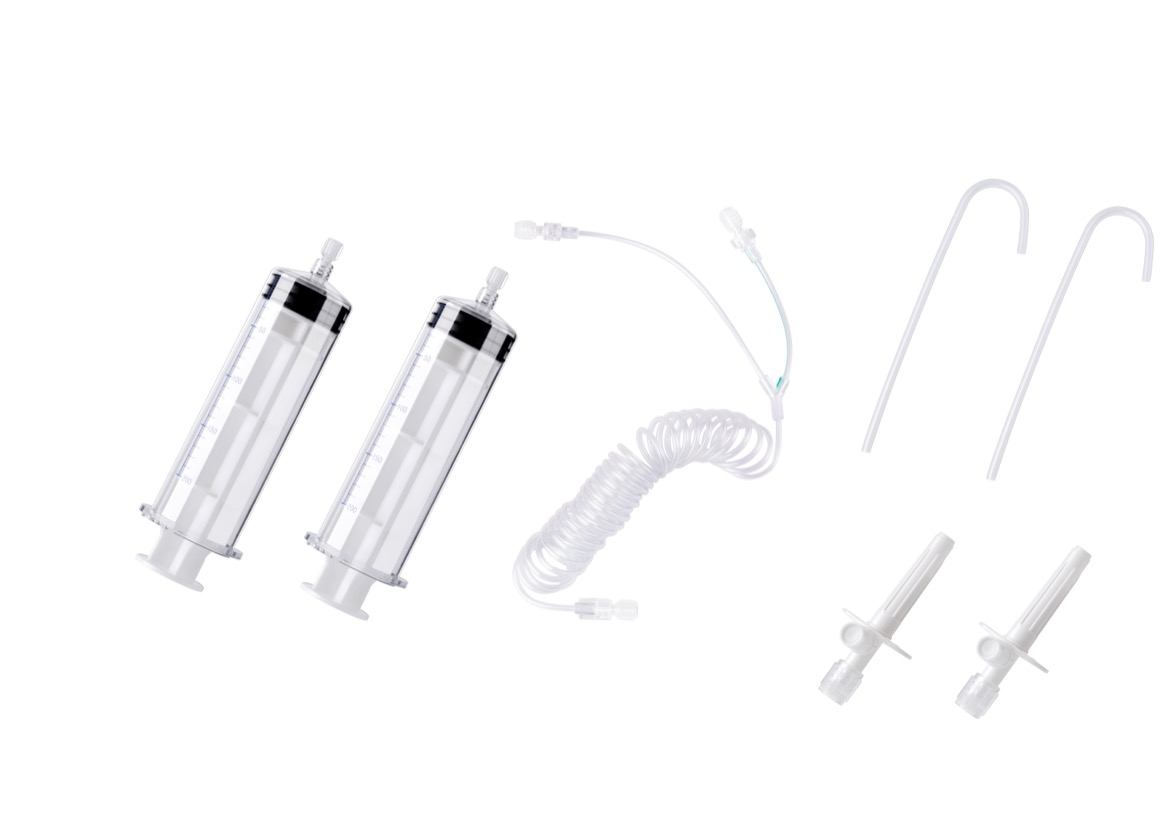
Contrast injector consumables are disposable products used with CT, MRI, and angiography injection systems. They may include syringes, high-pressure connecting tubes, patient lines, spike systems, check valves, and other accessories needed to deliver contrast media during imaging procedures.
Hospitals use alternative suppliers to reduce dependence on a single source, improve supply continuity, manage recurring consumable costs, support legacy injector systems, and create a backup option if the primary supplier experiences shortages or delays.
Some products are designed for compatibility with specific mainstream injector models. Compatibility should never be assumed. Hospitals should verify the supplier's technical documentation, intended-use information, injector model list, pressure rating, connection design, and internal evaluation results before approving a product.
Hospitals should review compatibility documentation, regulatory status, technical specifications, sterility information, packaging, lot traceability, supplier quality systems, product samples, staff workflow feedback, and delivery capability.
Yes, it may reduce unit purchasing costs and improve negotiating flexibility. However, the supplier should be evaluated on total cost of ownership, including quality consistency, delivery reliability, workflow suitability, technical support, and the risk of procedure delays.
Requirements depend on the destination market and product category. Buyers commonly look for a quality-management system such as ISO 13485, along with applicable market documentation such as CE marking in Europe or FDA 510(k)-related clearance status in the United States.
Distributors should assess the product portfolio, compatibility coverage, regulatory documentation, packaging options, export experience, production capacity, quality controls, technical support, complaint-handling process, and ability to provide consistent supply.
1. [Council of the European Union — Medical devices: Council adopts new measures to help prevent shortages] [consilium.europa]
2. [European Commission — Article 10a MDR/IVDR Questions and Answers] [health.ec.europa]
3. [U.S. Food and Drug Administration — New Contrast Imaging Indication Considerations for Devices and Approved Drug and Biological Products] [fda]
4. [European Commission — Ensuring the Availability of Supplies and Equipment] [commission.europa]
5. [PubMed Central — The Challenges for Manufacturers of the Increased Clinical Evidence Requirements Under the Medical Device Regulation] [pmc.ncbi.nlm.nih]
6. [European Union Council — Medical Devices: Council Endorses New Measures to Help Prevent Shortages] [consilium.europa]