


close
Choose Your Site
Global
Social Media
Views: 220 Author: Maiwei Biotech Publish Time: 2026-09-22 Origin: Site


Content Menu
● What Defines a High Pressure Medical Syringe?
● High Pressure Syringes vs Standard Syringes
● From Product Design to Production Control
>> Product Requirements and Compatibility Mapping
● Raw Materials: The Foundation of Pressure Resistance
● Precision Injection Molding for High Pressure Syringe Components
>> Key Controls During Injection Molding
● Assembly: Creating a Reliable Fluid Path
>> Critical Assembly Considerations
● Pressure Testing and Leak Testing: Where Performance Is Proven
● Clean Manufacturing and Contamination Control
● Sterilization and Sterile Barrier Packaging
>> Packaging Must Do More Than Look Clean
● Quality Systems and Traceability in Medical Syringe Manufacturing
>> A Strong Traceability System Connects Every Stage
● CT, MRI, and Angiography: Why One Syringe Design Does Not Fit Every Need
● Expert Perspective: The Most Overlooked Procurement Questions
>> Questions Worth Asking a High Pressure Syringe Manufacturer
● How MAIWEI INC. Supports Imaging Consumable Programs
● Choose a Manufacturing Partner, Not Just a Syringe Supplier
● FAQ
>> 1. What is a high pressure medical syringe used for?
>> 2. Are high pressure syringes different from standard disposable syringes?
>> 3. Can one contrast injector syringe fit every injector machine?
>> 4. Why is pressure testing important for CT and angiography syringes?
>> 5. What should distributors evaluate when choosing a high pressure syringe manufacturer?
>> 6. Can high pressure injector syringes be supplied for OEM projects?
>> 7. Why are connecting tubes important in contrast media delivery?
High pressure medical syringes are not ordinary disposable syringes. In CT, MRI, and angiography procedures, these precision components must deliver contrast media at controlled flow rates while maintaining reliable pressure resistance, secure connections, and consistent sterility. For hospitals, distributors, and OEM partners, the manufacturing process behind high pressure medical syringes directly affects patient safety, imaging workflow, procurement continuity, and overall clinical confidence.
At MAIWEI INC., the production of CT, MRI, and angiography injector consumables is approached as a controlled medical-device manufacturing system rather than a simple plastic-molding operation. From raw-material selection and precision injection molding to leak testing, sterilization, packaging, and traceability, every stage must support the intended use of the high pressure injector syringe and its compatible injector system.
High pressure medical syringes and standard medical syringes may look similar at first glance. However, their engineering requirements, performance risks, validation needs, and production controls are fundamentally different.
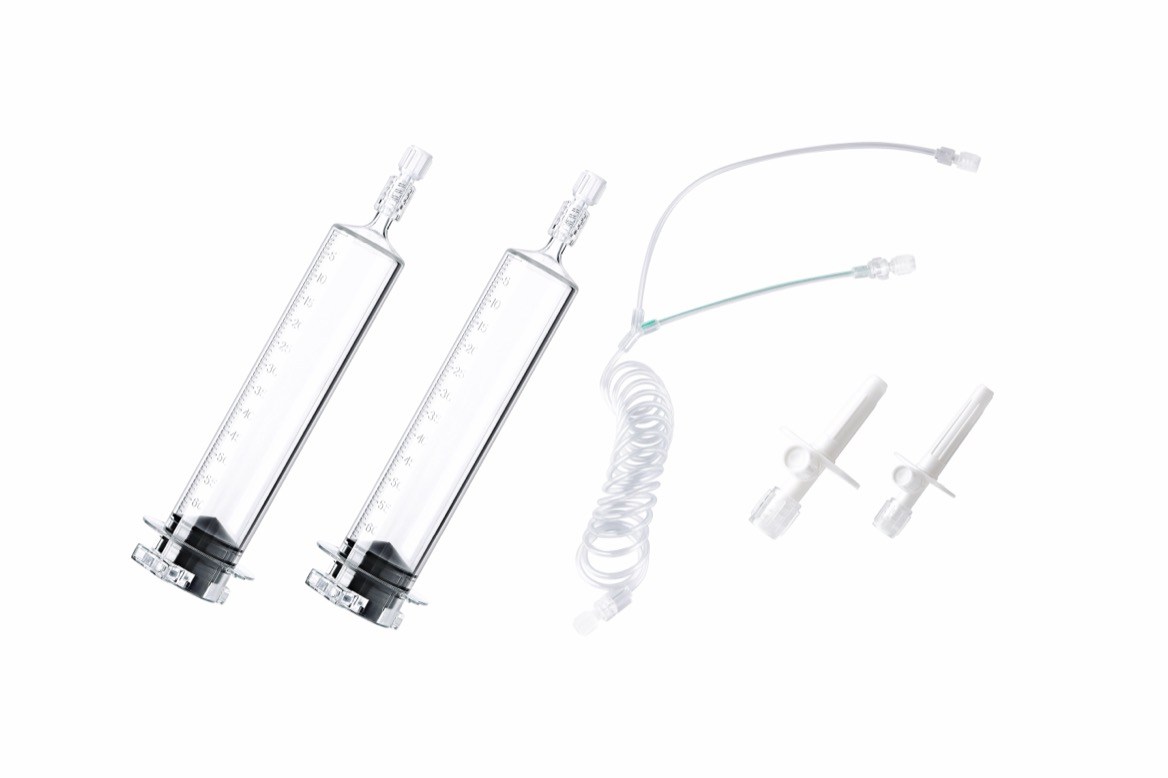
A high pressure medical syringe is a disposable component designed for use with a powered contrast media injector. It is commonly used in CT enhancement, MRI contrast examinations, and digital subtraction angiography procedures.
Unlike a manually operated syringe, a high pressure injector syringe is connected to an automated injector system. The injector drives contrast media through the syringe, connecting tubing, and patient-access pathway under pre-set pressure and flow conditions.
The syringe must therefore perform reliably under conditions involving:
- Elevated internal pressure
- High contrast-media viscosity
- Rapid injection flow
- Secure luer-lock or proprietary connection interfaces
- Strict clinical sterility requirements
- Compatibility with specific injector platforms
- Accurate fluid delivery and low residual volume
A minor defect in a standard disposable syringe may cause inconvenience. A failure in a CT, MRI, or angiography syringe can interrupt a diagnostic procedure, create contrast leakage, delay imaging, increase material waste, or introduce avoidable clinical risk.
For this reason, high pressure medical syringe manufacturing requires a more robust combination of product engineering, process validation, material traceability, and final inspection.
The phrase "medical syringe" covers a wide range of devices. Standard syringes may be used for medication administration, sample collection, irrigation, or routine fluid delivery. A high pressure medical syringe is engineered for a narrower but more demanding application.
| Comparison Area | Standard Medical Syringe | High Pressure Medical Syringe |
|---|---|---|
| Primary use | Manual injection or aspiration | Automated contrast-media injection |
| Driving method | Hand-operated plunger | Powered injector system |
| Pressure requirement | Low to moderate | High and application-specific |
| Typical imaging application | General clinical use | CT, MRI, angiography, vascular imaging |
| Connection requirement | Basic needle or luer connection | High-integrity locking connection and tubing interface |
| Material performance | General fluid contact | Contrast-media compatibility, pressure resistance, transparency |
| Manufacturing tolerance | General functional control | Tight dimensional and assembly control |
| Leakage risk control | Standard inspection | Pressure testing and seal verification |
| Injector compatibility | Usually universal | Designed for defined injector platforms or compatible systems |
| Traceability expectation | Product-level or batch-level | Enhanced batch, component, and process traceability |
The most important difference is operating stress. A standard syringe is generally controlled by the user's hand pressure. A high pressure syringe is exposed to mechanically generated force from an injector system. This changes how the barrel, plunger, piston, flange, connector, and tubing interface must be designed and manufactured.
In angiography applications, pressure demand can be particularly challenging because contrast media may need to be delivered rapidly into vascular pathways. CT protocols can also require high-flow delivery, especially in cardiovascular imaging. MRI injection systems usually operate at lower pressure than angiography systems, but the syringe and tubing still require reliable performance, material compatibility, and secure system integration.
The manufacturing process behind high pressure medical syringes begins long before injection molding. It starts with defining the device's intended use, injector compatibility, pressure rating, fluid path, patient-contact considerations, packaging format, and regulatory pathway.
A manufacturer must translate clinical and equipment requirements into measurable engineering specifications.
The first stage is product definition. Engineers identify the injector systems the syringe will be designed to fit, such as CT contrast injectors, MRI injectors, or angiography injectors.
Compatibility is not limited to whether the syringe can physically fit into an injector head. A reliable compatibility program should also consider:
- Syringe barrel geometry
- Flange dimensions
- Plunger travel distance
- Piston sealing behavior
- Injector recognition and loading mechanics
- Connector dimensions
- Tubing engagement
- Maximum operating pressure
- Maximum fill volume
- Contrast-media exposure time
- Flow-rate conditions
- Priming performance
- Dead-space volume
- Packaging and user instructions
A syringe that appears compatible but has poor dimensional consistency can cause loading difficulties, incomplete plunger travel, leakage, pressure alarms, or inaccurate delivery.
For this reason, MAIWEI INC. focuses on consumables that are compatible with multiple mainstream injector systems while maintaining controlled dimensional performance and appropriate device-specific interfaces.
In medical imaging consumables, design decisions should be linked to foreseeable risks.
For example, a design review may examine:
- Could the barrel crack under maximum pressure?
- Could the piston move unevenly because of insufficient lubrication or inconsistent material dimensions?
- Could a connector loosen during injection?
- Could contrast media affect the material properties?
- Could air be trapped during filling and priming?
- Could a packaging defect compromise sterility?
- Could an unclear label lead to use with an incorrect injector system?
These questions help manufacturers convert risk into design controls. That may include reinforced barrel geometry, validated connector design, controlled molding parameters, high-visibility graduation marks, stronger packaging seals, and detailed compatibility labeling.
The quality of a high pressure medical syringe depends heavily on the quality and consistency of its raw materials.
Medical-grade polymer materials are selected based on mechanical strength, transparency, processability, chemical compatibility, and suitability for the intended sterilization method. The syringe barrel must allow clinicians to observe contrast media and air bubbles clearly. At the same time, it must tolerate pressure without deformation, cracking, or loss of dimensional accuracy.
Common material-selection considerations include:
- Mechanical strength: The barrel and connector must resist pressure-related stress.
- Transparency: Users need clear visibility during filling, priming, and contrast-media delivery.
- Chemical resistance: Materials must remain stable when in contact with contrast media.
- Dimensional consistency: The material must support repeatable molding results.
- Sterilization compatibility: The material must maintain performance after the selected sterilization process.
- Biocompatibility suitability: Materials in the fluid path require appropriate evaluation for intended contact conditions.
- Low particulate risk: Resin quality and handling must support clean manufacturing.
The plunger and piston assembly require equally careful material selection. The piston must create a dependable seal while moving smoothly inside the barrel. Excessive friction can affect injector performance. Insufficient sealing can create leakage or delivery inaccuracy.
In practical manufacturing terms, the barrel, piston, plunger rod, flange, cap, tubing connector, and packaging components must work as a system. Improving one part without validating the complete assembly can create unexpected failure points.
Injection molding is one of the core production stages for high pressure medical syringes. Yet the process is far more complex than producing general plastic products.
The syringe barrel must meet strict requirements for wall thickness, concentricity, transparency, internal surface finish, flange strength, and connection geometry. Even a small variation can affect pressure resistance or plunger movement.
A controlled molding process typically monitors:
- Resin drying conditions
- Mold temperature
- Melt temperature
- Injection pressure
- Injection speed
- Holding pressure
- Cooling time
- Cycle time
- Mold maintenance condition
- Part weight
- Dimensional measurements
- Visual appearance
- Surface defects
- Flash, short shots, sink marks, or bubbles
For a high pressure syringe barrel, wall thickness consistency is particularly important. Uneven wall thickness can create local stress concentrations when pressure rises. This may increase the risk of distortion, cracking, or pressure-test failure.
The internal surface of the barrel must also be smooth and consistent. An irregular internal surface may affect piston travel, increase friction, or create particles during operation.
Mold design influences more than appearance. It affects component strength, dimensional repeatability, and production yield.
A well-designed mold supports:
- Stable gate placement
- Uniform resin flow
- Reduced weld-line risk
- Controlled cooling
- Repeatable part dimensions
- Efficient automated production
- Reduced manual handling
- Consistent assembly fit
For medical-device components, mold maintenance is a quality activity. Worn cavities, damaged inserts, or inconsistent cooling channels can gradually change part dimensions. That is why controlled preventive maintenance and documented mold inspection are essential.
After molding, individual components are assembled into a high pressure injector syringe or syringe kit. Depending on the product configuration, the assembly may include a syringe barrel, plunger rod, piston, filling tube, connecting tube, check valve, spike, protective cap, or other accessories.
The objective is to create a reliable, closed fluid path that can withstand the intended operational conditions.
Assembly controls often focus on the following areas:
- Correct component matching
- Piston placement accuracy
- Plunger insertion force
- Lubrication consistency, where applicable
- Connector torque or engagement
- Tube bonding or attachment integrity
- Protective-cap fit
- Particulate control
- Visual orientation
- Automated detection of missing components
The piston-to-barrel interface is especially important. The piston must move smoothly during injector operation while maintaining an effective seal. If the friction is too high, the injector may encounter resistance or generate inaccurate pressure behavior. If the seal is too loose, contrast media may bypass the piston or leak from the rear of the syringe.
An experienced manufacturing team does not assess these features only through visual inspection. It validates them through functional testing, pressure testing, force measurement, and statistically controlled production data.
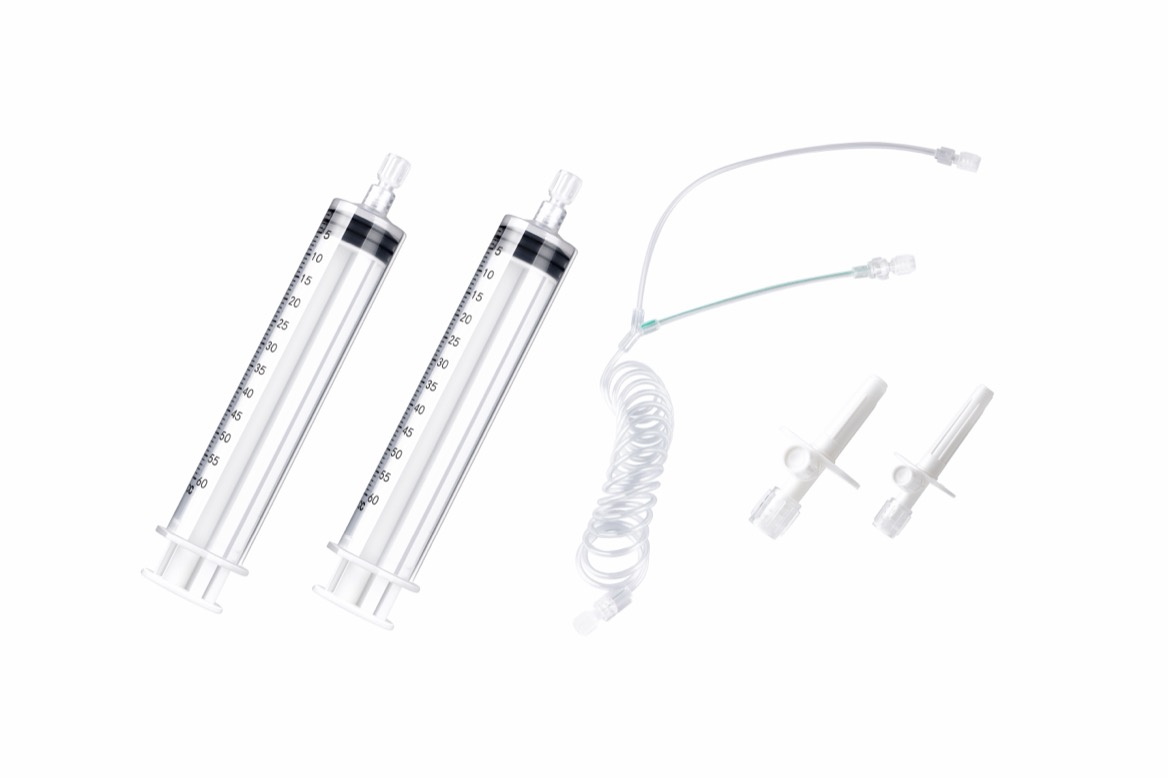
Pressure resistance is one of the defining characteristics of high pressure medical syringes. This is also where the difference between ordinary plastic production and specialized imaging consumable manufacturing becomes clear.
A high pressure syringe must be tested under conditions that represent, or appropriately challenge, its intended clinical use.
Depending on the device design and intended use, testing may include:
- Leak testing to confirm fluid-path integrity
- Pressure-hold testing to verify resistance under specified pressure
- Burst-pressure testing to establish safety margin
- Plunger movement testing to assess operating force
- Connector retention testing to evaluate connection strength
- Dimensional inspection for injector fit
- Visual inspection for cracks, scratches, flash, contamination, or deformation
- Packaging seal testing to protect sterile-barrier integrity
- Sterility-related validation for the finished sterile product
A pressure-hold test evaluates whether the syringe assembly can maintain integrity when exposed to defined pressure for a defined period. It can reveal defects such as micro-leaks, weak joints, imperfect seals, or material weaknesses.
Burst testing goes further. It helps determine the failure threshold and provides evidence that the product has an appropriate margin beyond normal operating conditions.
A practical principle is simple: the syringe should not merely survive a test; it should demonstrate repeatable performance across production lots.
High pressure medical syringes are often supplied as sterile, single-use consumables. This means environmental control is not optional. Particulate contamination, microbial contamination, incorrect assembly, and packaging defects can all compromise the finished product.
Clean manufacturing may include controlled areas for molding, assembly, inspection, and packaging. The level of environmental control should reflect the device design, sterilization method, packaging system, and product-risk assessment.
Key contamination-control practices include:
- Controlled personnel entry and gowning
- Environmental cleaning procedures
- Airborne-particle monitoring
- Bioburden management
- Equipment cleaning validation
- Segregation of raw materials and finished goods
- Foreign-material prevention
- Controlled component handling
- Packaging-line clearance
- Documented inspection records
Automation can further improve consistency by reducing unnecessary touchpoints. However, automated production does not eliminate the need for validation. Sensors, camera systems, torque controls, and automated test stations must also be qualified and routinely verified.
For single-use imaging consumables, sterility must be protected from manufacturing through point of use.
The finished syringe or syringe kit is commonly placed into a sterile barrier system that may include medical-grade paper, film, blister packaging, pouches, or custom-designed trays. The packaging must prevent contamination while allowing the user to open the product efficiently in a clinical environment.
A suitable sterile barrier system must support:
- Sterilant penetration, where relevant
- Protection during shipping and storage
- Seal integrity
- Resistance to puncture or tearing
- Product visibility
- Clear labeling
- Easy aseptic presentation
- Shelf-life performance
Sterilization methods may vary depending on material compatibility and product configuration. The selected method must be validated to demonstrate that it achieves the required sterility assurance level without negatively affecting the syringe, piston, connectors, tubing, packaging, or labels.
Packaging validation should also consider distribution conditions. Medical consumables may travel across long distances, experience temperature changes, encounter vibration during transport, and remain in warehouse storage for extended periods. A package that performs well in a factory but fails after shipment does not provide a reliable solution.
A high pressure medical syringe is only as reliable as the quality system behind it.
ISO 13485 establishes a quality-management framework for organizations involved in the design, production, storage, distribution, and associated services of medical devices. It emphasizes documented processes, risk-based control, traceability, supplier management, corrective action, and continuous improvement.
For manufacturers supplying global markets, quality control should extend across the full product lifecycle.
Traceability should allow a manufacturer to link the finished product back to relevant production information, such as:
- Raw-material batch
- Mold and cavity identification
- Production date and shift
- Assembly line
- Operators or automated equipment
- In-process inspection results
- Pressure-test records
- Sterilization lot
- Packaging lot
- Final release status
- Distribution destination
This level of control is important when investigating a complaint, conducting a field evaluation, or managing a corrective action.
The U.S. regulatory framework classifies angiographic injectors and syringes under 21 CFR 870.1650 as Class II devices. FDA materials also indicate that syringe submissions require detailed information on intended use, dimensions, materials, performance specifications, and compatibility conditions where applicable.
For MAIWEI INC., certifications such as ISO 13485, CE, and FDA 510(k) support a structured approach to manufacturing control and global market access. However, certification alone is not the endpoint. The practical value lies in how consistently the manufacturing system applies documented requirements to every production batch.
Although CT, MRI, and angiography all use contrast delivery systems, their clinical workflows and technical conditions vary.
| Imaging Application | Typical Syringe Requirement | Manufacturing Priority |
|---|---|---|
| CT imaging | Reliable flow performance and injector compatibility | Pressure resistance, clear barrel, smooth piston movement |
| Cardiac CT | High-flow contrast delivery and robust system performance | Enhanced pressure capability, secure tubing interface |
| MRI imaging | Non-ferromagnetic system compatibility and controlled injection | Material suitability, injector fit, reliable fluid path |
| Angiography | Fast vascular contrast delivery under demanding conditions | High pressure resistance, connector strength, leak prevention |
A CT syringe may need to support high-flow protocols and clear visualization during preparation. An MRI syringe must be compatible with MRI workflow and injector requirements. An angiography syringe may require greater pressure resistance because of demanding vascular imaging procedures.
This is why manufacturers should avoid treating all contrast injector syringes as interchangeable. Each product family should be evaluated according to its intended injector platform, application conditions, fluid path, pressure specification, and user workflow.
From a manufacturing and quality perspective, many buyers focus first on unit price. Price matters, but it should not be the only selection criterion for high pressure medical syringes.
Hospitals, distributors, and OEM procurement teams should ask deeper questions.
1. Which injector systems is the syringe specifically designed to fit?
Request clear compatibility information rather than relying on general claims.
2. What pressure and leak-testing methods are used during production?
A credible manufacturer should be able to explain its test approach and acceptance controls.
3. How are raw materials controlled?
Ask about medical-grade resin, incoming inspection, supplier qualification, and lot traceability.
4. How is sterility maintained through shelf life?
Review sterilization validation, packaging validation, and storage conditions.
5. What level of batch traceability is available?
Traceability supports complaint investigation, field action, and supply-chain confidence.
6. Can the manufacturer support OEM or private-label requirements?
OEM projects may require customized packaging, labeling, syringe geometry, or injector compatibility.
7. How does the manufacturer control product changes?
Even a small design or material change can affect fit, pressure performance, and regulatory documentation.
The strongest supplier relationship is not based only on a low quotation. It is based on transparent quality documentation, dependable production capacity, consistent technical communication, and the ability to support long-term supply.
MAIWEI INC. develops and manufactures high pressure injector consumables for CT, MRI, and angiography applications, including high pressure medical syringes, connecting tubes, and related accessories.
For global healthcare providers, distributors, and OEM customers, a reliable manufacturing partner should provide more than a finished product. It should provide a controlled and scalable supply solution.
MAIWEI INC. supports this requirement through:
- Medical imaging consumables designed for mainstream injector compatibility
- High pressure syringe and tubing solutions for CT, MRI, and angiography workflows
- Quality-system controls supported by ISO 13485
- Market-access credentials including CE and FDA 510(k)
- Global supply experience across more than 60 countries and regions
- Support for hospital, distributor, and OEM procurement models
- Focused attention to product consistency, packaging, traceability, and long-term cooperation
For a distributor, this can mean a more dependable product portfolio. For a hospital, it can mean stable access to compatible imaging consumables. For an OEM partner, it can mean a manufacturing foundation that supports product customization, branding, documentation, and scalable supply.
High pressure medical syringes are critical components in contrast-enhanced imaging. Their reliability depends on far more than plastic material and molding equipment. It depends on product engineering, controlled raw materials, precision molding, validated assembly, pressure testing, sterile packaging, traceability, and disciplined quality management.
The best high pressure injector syringe is not simply one that fits an injector. It is one that performs consistently throughout its intended use, supports efficient clinical workflow, and is backed by a manufacturer that understands the real requirements of CT, MRI, and angiography applications.
If you are sourcing compatible high pressure medical syringes, contrast injector tubing, or OEM imaging consumables, contact MAIWEI INC. to discuss your injector platform, target market, technical requirements, packaging needs, and supply program. A detailed compatibility and manufacturing review can help reduce procurement risk before your next order.
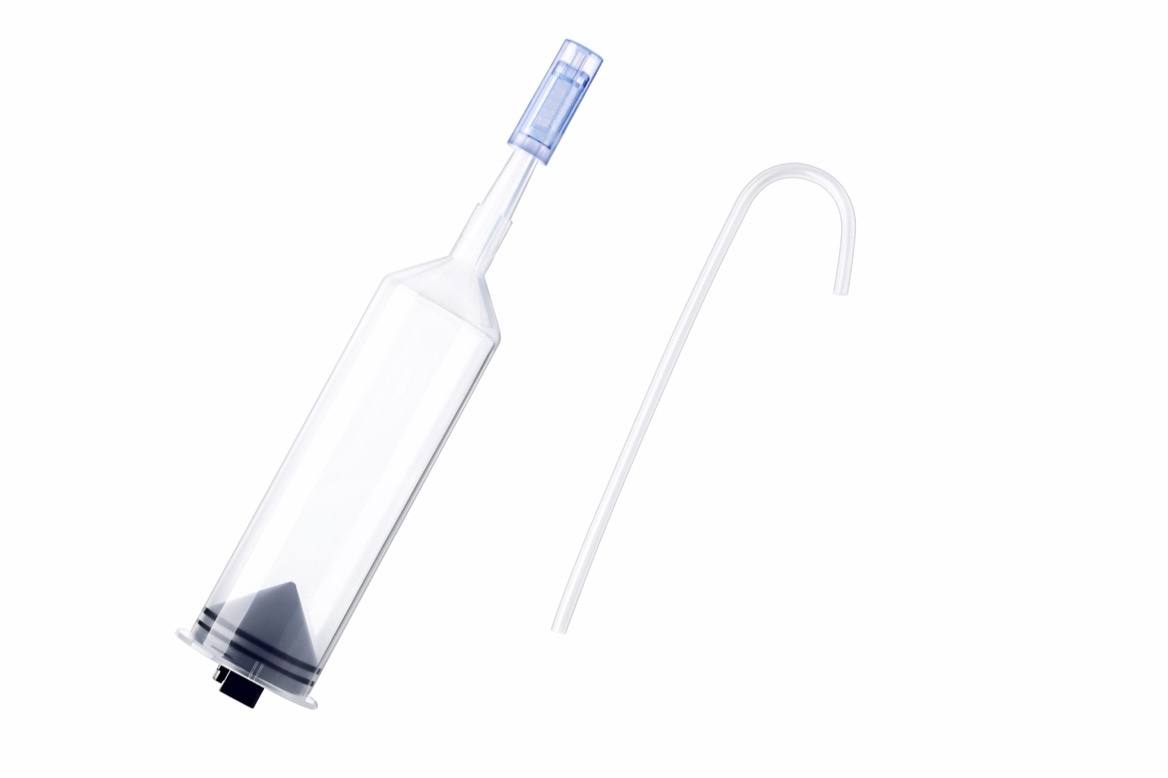
A high pressure medical syringe is used with an automated contrast media injector in CT, MRI, and angiography procedures. It delivers contrast media through a controlled fluid path at defined flow and pressure settings.
Yes. High pressure syringes are designed for powered injector systems and must withstand higher mechanical stress. They require stronger barrel geometry, reliable piston sealing, secure connectors, and more rigorous pressure and leakage control.
No. Injector compatibility depends on syringe geometry, flange design, plunger travel, connection interfaces, and the injector's loading mechanism. Buyers should confirm the exact compatible injector models before purchasing.
Pressure testing helps verify that the syringe, piston, and connected fluid path can maintain integrity under defined operating conditions. It helps identify risks such as leakage, weak seals, connector failure, or barrel damage.
Distributors should evaluate injector compatibility, certifications, pressure-testing methods, material traceability, sterilization and packaging controls, production capacity, documentation support, complaint handling, and delivery reliability.
Yes. Qualified manufacturers may support OEM programs involving customized labeling, packaging, kit configuration, compatibility requirements, documentation, and market-specific regulatory needs.
Connecting tubes complete the fluid pathway between the syringe, injector, and patient-access components. Their pressure resistance, connection security, volume, flexibility, and material compatibility can influence injection reliability and workflow efficiency.
1. [ISO 13485:2016 — Medical devices — Quality management systems — Requirements for regulatory purposes]
2. [ISO 13485 — Medical devices overview]
3. [U.S. Food and Drug Administration: Quality Management System Regulation]
4. [U.S. Food and Drug Administration: Guidance for 510(k) Submissions for Piston Syringes]
5. [U.S. Food and Drug Administration: 510(k) Summary for Contrast Media Management System]
6. [ANSI National Accreditation Board: ISO 13485 Medical Devices Quality Management Systems]